
Chemical And Biological Engineering Courses
Chemical And Biological Engineering Courses - In the department of chemical and biological engineering a student must choose courses during the sophomore, junior and senior years to provide a core knowledge of chemical and biological. Knowledge of industrial ecology/design for the. Here you will find graduate classes for cbe students that are either currently offered or were offered within the past five years. Introduction to chemical engineering and the industries where chemical engineers play vital roles. Fundamental knowledge and design capability in chemical and biological engineering; Dedicated career guidanceinternational expertise20 graduate programs These courses will enable and. Study of biological processes, application of chemical engineering skills to areas including enzyme kinetics, fermentation, cell growth, and metabolic processes. Includes industry visits, oral presentations, faculty and. The chemical and biological engineering curriculum is based on the sciences of physics, chemistry, biology, and mathematics. Topics include ecosystem/environmental engineering, life cycle assessment, sustainable chemistry, air and water quality, and systems engineering. Here you will find graduate classes for cbe students that are either currently offered or were offered within the past five years. Knowledge of industrial ecology/design for the. Excellence in research, teaching and service. Study of biological processes, application of chemical engineering skills to areas including enzyme kinetics, fermentation, cell growth, and metabolic processes. Application of chemical engineering skills to areas including enzyme kinetics, fermentation, cell growth and metabolic processes. To qualify for a chemical and biological engineering degree, students must take a core of 9 departmental courses. These courses will enable and. We formulate solutions to chemical and biomolecular engineering challenges, from processes in food production,. Introduces chemical engineering emphasizing history of the profession, curriculum, chemical industry, and industrial chemistry. Introduces chemical engineering emphasizing history of the profession, curriculum, chemical industry, and industrial chemistry. Advanced research programs in core competency areas; Study of biological processes, application of chemical engineering skills to areas including enzyme kinetics, fermentation, cell growth, and metabolic processes. The course contains selected topics, and alumni seminars covering the full range of career opportunities from emerging areas (nanotechnology,. Dedicated career guidanceinternational expertise20 graduate programs This is required by abet and princeton university. We formulate solutions to chemical and biomolecular engineering challenges, from processes in food production,. Study of biological processes, application of chemical engineering skills to areas including enzyme kinetics, fermentation, cell growth, and metabolic processes. Knowledge of industrial ecology/design for the. We formulate solutions to chemical and biomolecular engineering challenges, from processes in food production,. Fundamental knowledge and design capability in chemical and biological engineering; Includes industry visits, oral presentations, faculty and. Introduces chemical engineering emphasizing history of the profession, curriculum, chemical industry, and industrial chemistry. Topics include ecosystem/environmental engineering, life cycle assessment, sustainable chemistry, air and water quality, and systems. Introduces chemical engineering emphasizing history of the profession, curriculum, chemical industry, and industrial chemistry. Advanced research programs in core competency areas; Dedicated career guidanceinternational expertise20 graduate programs In the department of chemical and biological engineering a student must choose courses during the sophomore, junior and senior years to provide a core knowledge of chemical and biological. Fundamental knowledge and design. Fundamental knowledge and design capability in chemical and biological engineering; To qualify for a chemical and biological engineering degree, students must take a core of 9 departmental courses. Topics include ecosystem/environmental engineering, life cycle assessment, sustainable chemistry, air and water quality, and systems engineering. The course contains selected topics, and alumni seminars covering the full range of career opportunities from. The department of chemical and biological engineering offers leading edge research and education programs in chemical engineering and biological engineering. Excellence in research, teaching and service. Study of biological processes, application of chemical engineering skills to areas including enzyme kinetics, fermentation, cell growth, and metabolic processes. Study of biological processes, application of chemical engineering skills to areas including enzyme kinetics,. Here you will find graduate classes for cbe students that are either currently offered or were offered within the past five years. Fundamental knowledge and design capability in chemical and biological engineering; Topics include ecosystem/environmental engineering, life cycle assessment, sustainable chemistry, air and water quality, and systems engineering. Includes industry visits, oral presentations, faculty and. The chemical and biological engineering. Study of biological processes, application of chemical engineering skills to areas including enzyme kinetics, fermentation, cell growth, and metabolic processes. Topics include ecosystem/environmental engineering, life cycle assessment, sustainable chemistry, air and water quality, and systems engineering. Introduces chemical engineering emphasizing history of the profession, curriculum, chemical industry, and industrial chemistry. In business since 1997sign up todaymaster hplc and gc In. Introduces chemical engineering emphasizing history of the profession, curriculum, chemical industry, and industrial chemistry. Dedicated career guidanceinternational expertise20 graduate programs It includes engineering science and design methods, as. Additional information is available on the office of the. The chemical and biological engineering curriculum is based on the sciences of physics, chemistry, biology, and mathematics. Topics include ecosystem/environmental engineering, life cycle assessment, sustainable chemistry, air and water quality, and systems engineering. Quantitative calculations and applications using mass. In business since 1997sign up todaymaster hplc and gc Study of biological processes, application of chemical engineering skills to areas including enzyme kinetics, fermentation, cell growth, and metabolic processes. Includes industry visits, oral presentations, faculty and. The department of chemical and biological engineering offers leading edge research and education programs in chemical engineering and biological engineering. Dedicated career guidanceinternational expertise20 graduate programs The undergraduate curriculum is designed to provide students with a solid foundation in the principles of engineering, mathematics and science, with an emphasis on chemistry and. In business since 1997sign up todaymaster hplc and gc It includes engineering science and design methods, as. To qualify for a chemical and biological engineering degree, students must take a core of 9 departmental courses. The course contains selected topics, and alumni seminars covering the full range of career opportunities from emerging areas (nanotechnology, biochemical, multifunctional materials) to. Includes industry visits, oral presentations, faculty and. Study of biological processes, application of chemical engineering skills to areas including enzyme kinetics, fermentation, cell growth, and metabolic processes. Introduces chemical engineering emphasizing history of the profession, curriculum, chemical industry, and industrial chemistry. Knowledge of industrial ecology/design for the. Additional information is available on the office of the. Topics include ecosystem/environmental engineering, life cycle assessment, sustainable chemistry, air and water quality, and systems engineering. Advanced research programs in core competency areas; Quantitative calculations and applications using mass. This is required by abet and princeton university.
Postgraduate Degree Programs Department of Chemical and Biological

Chemical and Biological Engineering
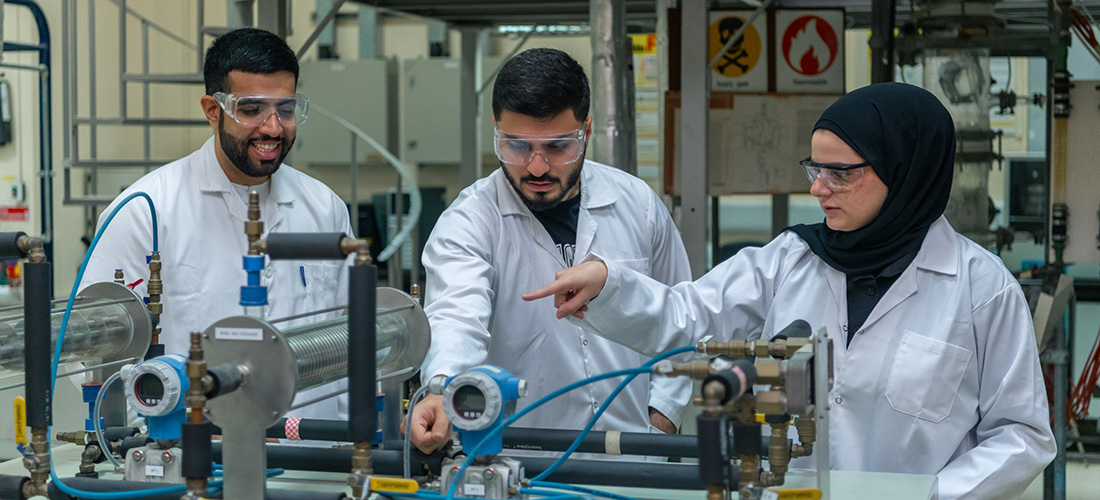
Bachelor of Science in Chemical and Biological Engineering American
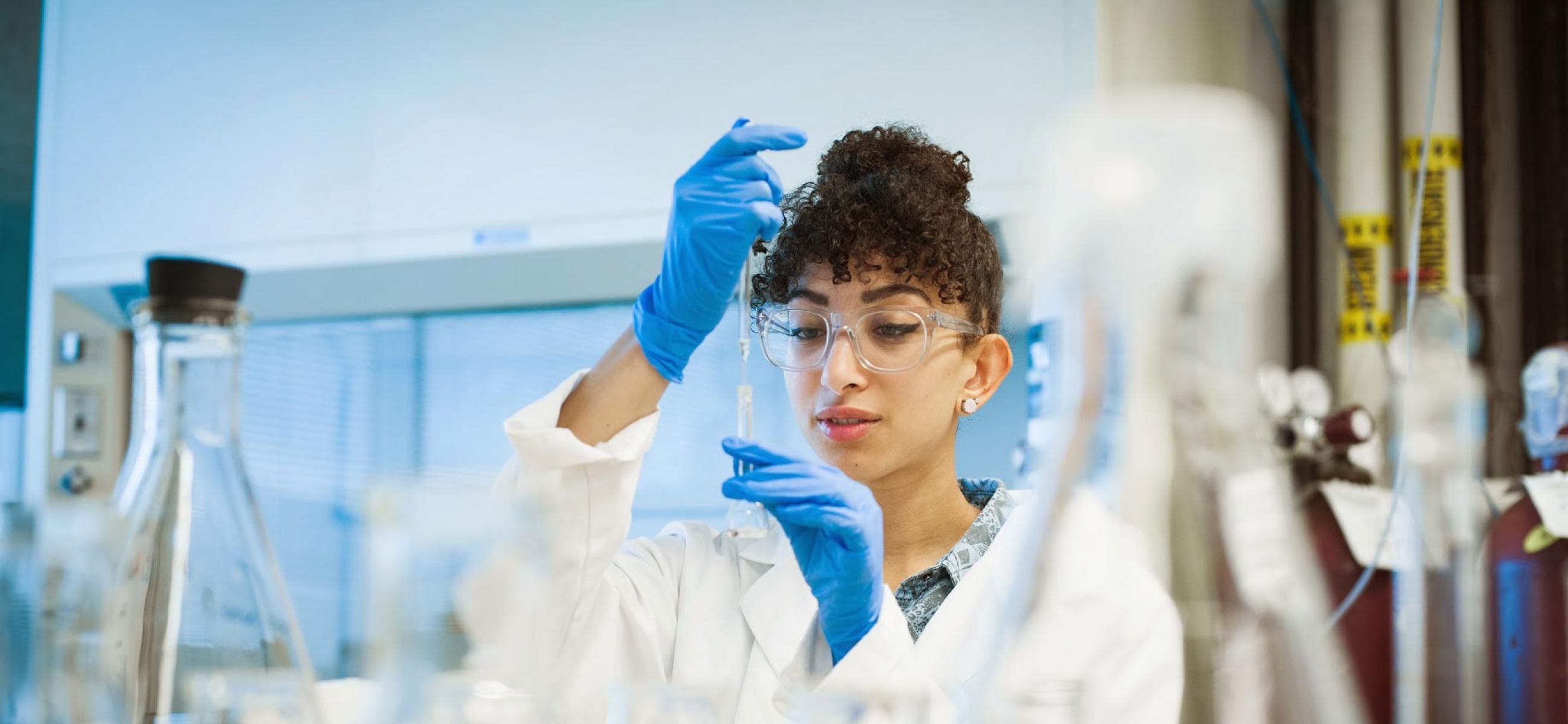
Chemical and Biological Engineering UBC Engineering
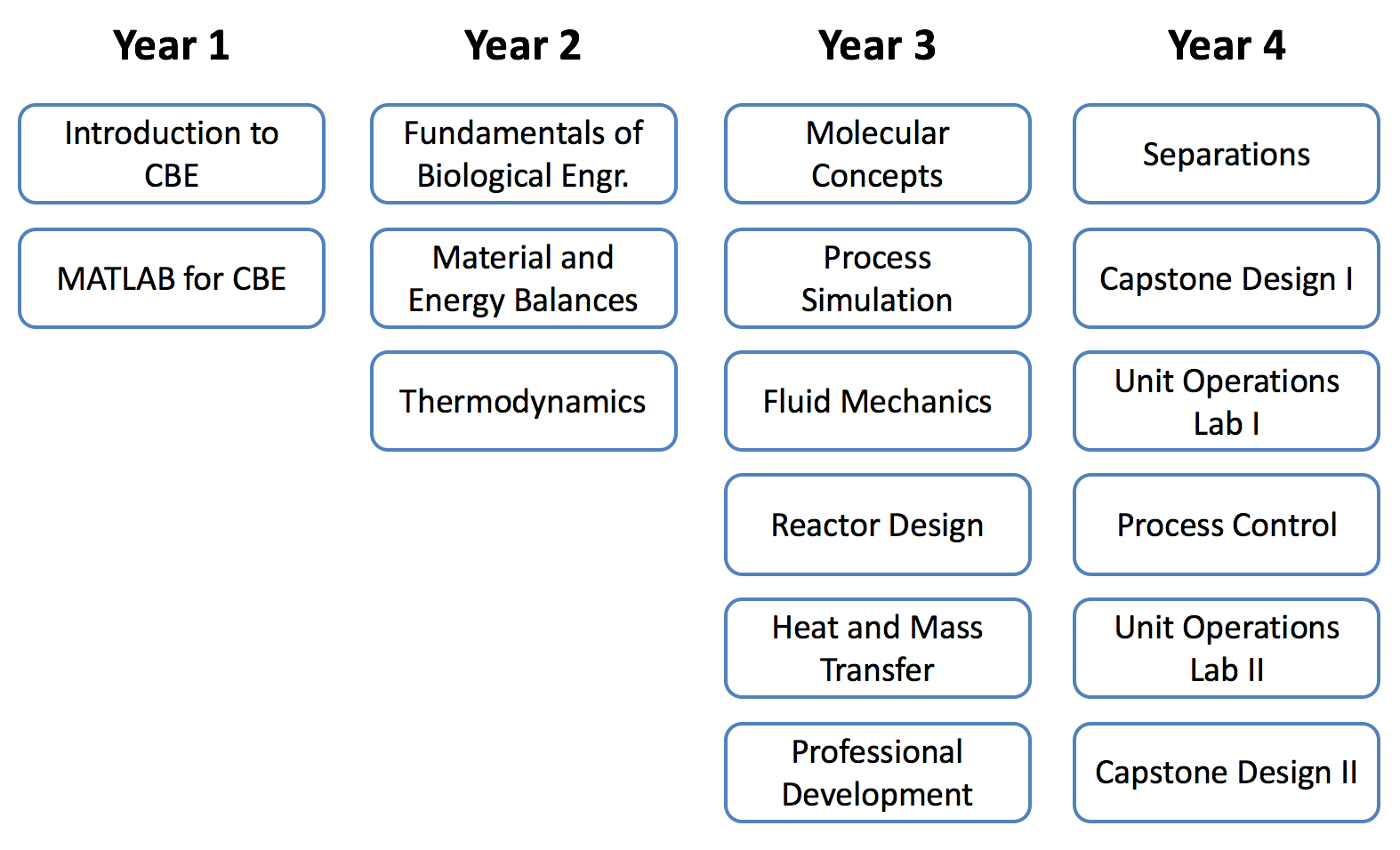
What is Chemical and Biological Engineering? — Introduction to Chemical
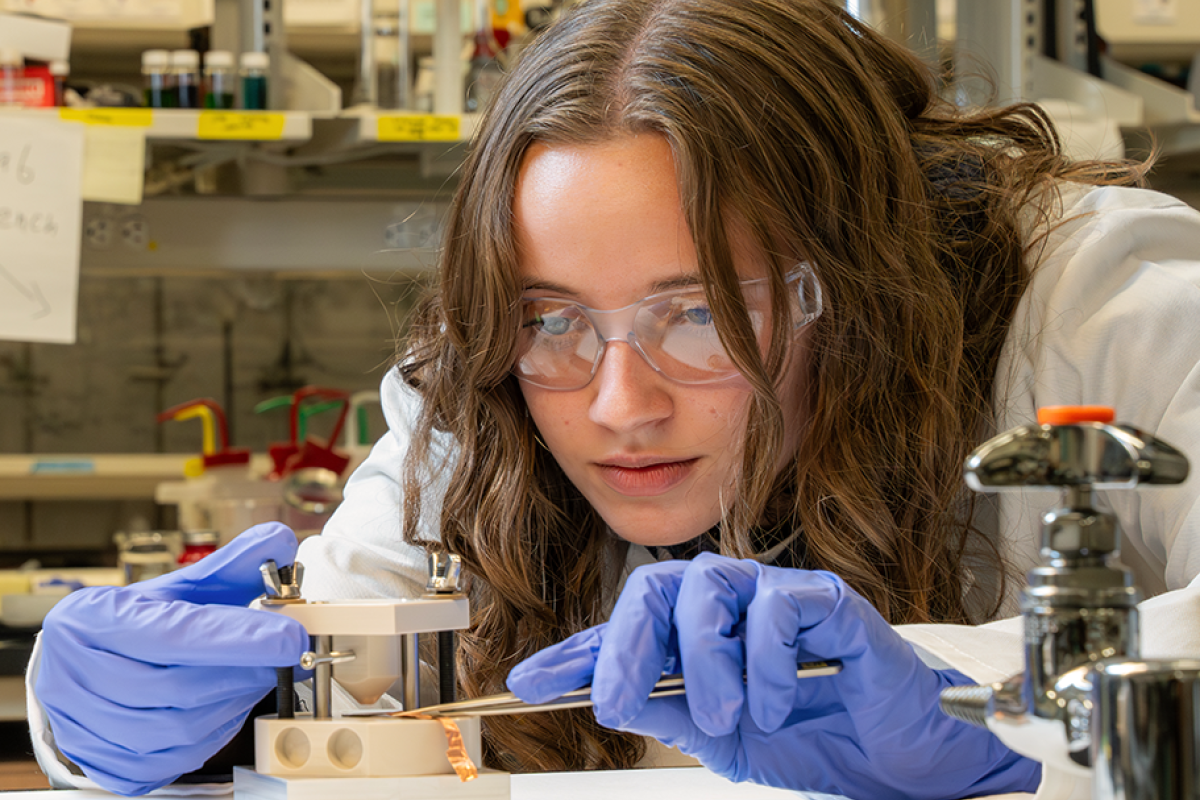
Academics Chemical and Biological Engineering University of

Undergraduate Chemical and Biological Engineering

Chemical and Biological Engineering

Program Details Chemical and Biological Engineering

Undergraduate Programs UBC Engineering
These Courses Will Enable And.
The Chemical And Biological Engineering Curriculum Is Based On The Sciences Of Physics, Chemistry, Biology, And Mathematics.
In The Department Of Chemical And Biological Engineering A Student Must Choose Courses During The Sophomore, Junior And Senior Years To Provide A Core Knowledge Of Chemical And Biological.
Study Of Biological Processes, Application Of Chemical Engineering Skills To Areas Including Enzyme Kinetics, Fermentation, Cell Growth, And Metabolic Processes.
Related Post: