
Course In Instructional Design
Course In Instructional Design - You’ll take a closer look at design frameworks, such as backward design, integrated course design, and the addie model. In the second week, you will learn about different learning models used in instructional design, including addie, ksa, bloom’s taxonomy, and the kirkpatrick model, and how these apply to an organization’s training efforts. Across two immersive courses, you’ll learn how to identify and apply the elements of a systematic design process, the language and terminology pertinent to the design of learning systems, and the major elements of instructional and learning system design models. After completing the course, you will be able to: As you reach the end of the course, you will learn how to use generative ai within your own instructional design process. Throughout the course, you'll learn to define and differentiate between ai concepts, navigate various ai models, and utilize ai tools for course creation. This course, instructional design foundations, introduces learners to the conceptual and theoretical foundations of instructional design as well as the analysis aspect of instructional systems design in order to create an innovative instructional. This includes knowledge of key design activities, tools that learning experience designers (lxds) use, and a look at the contemporary pedagogical, technological, and research information that designers need to stay current in the field. Ai for course design is designed for instructional designers and educators and focuses on practical skills in working with generative ai for course development. Explore ways you can use generative ai to help you brainstorm new ideas, create learner personas, draft course outlines, and more. Transform you career with coursera's online instructional design courses. This course, instructional design foundations, introduces learners to the conceptual and theoretical foundations of instructional design as well as the analysis aspect of instructional systems design in order to create an innovative instructional. In the second week, you will learn about different learning models used in instructional design, including addie, ksa, bloom’s taxonomy, and the kirkpatrick model, and how these apply to an organization’s training efforts. Identify suitable learning technology applications for. Next, you’ll see examples of conceptual tools that can be used to support ideation, brainstorming, and course outlining. Across two immersive courses, you’ll learn how to identify and apply the elements of a systematic design process, the language and terminology pertinent to the design of learning systems, and the major elements of instructional and learning system design models. Throughout the course, you'll learn to define and differentiate between ai concepts, navigate various ai models, and utilize ai tools for course creation. Ai for course design is designed for instructional designers and educators and focuses on practical skills in working with generative ai for course development. You’ll take a closer look at design frameworks, such as backward design, integrated course design, and the addie model. As you reach the end of the course, you will learn how to use generative ai within your own instructional design process. After completing the course, you will be able to: Ai for course design is designed for instructional designers and educators and focuses on practical skills in working with generative ai for course development. Explore ways you can use generative ai to help you brainstorm new ideas, create learner personas, draft course outlines, and more. This course, instructional design foundations, introduces. Transform you career with coursera's online instructional design courses. Throughout the course, you'll learn to define and differentiate between ai concepts, navigate various ai models, and utilize ai tools for course creation. Identify suitable learning technology applications for. Next, you’ll see examples of conceptual tools that can be used to support ideation, brainstorming, and course outlining. This includes knowledge of. Ai for course design is designed for instructional designers and educators and focuses on practical skills in working with generative ai for course development. Throughout the course, you'll learn to define and differentiate between ai concepts, navigate various ai models, and utilize ai tools for course creation. You’ll take a closer look at design frameworks, such as backward design, integrated. This course, instructional design foundations, introduces learners to the conceptual and theoretical foundations of instructional design as well as the analysis aspect of instructional systems design in order to create an innovative instructional. Explore ways you can use generative ai to help you brainstorm new ideas, create learner personas, draft course outlines, and more. Transform you career with coursera's online. Next, you’ll see examples of conceptual tools that can be used to support ideation, brainstorming, and course outlining. You’ll take a closer look at design frameworks, such as backward design, integrated course design, and the addie model. Explore ways you can use generative ai to help you brainstorm new ideas, create learner personas, draft course outlines, and more. This includes. This includes knowledge of key design activities, tools that learning experience designers (lxds) use, and a look at the contemporary pedagogical, technological, and research information that designers need to stay current in the field. Transform you career with coursera's online instructional design courses. Throughout the course, you'll learn to define and differentiate between ai concepts, navigate various ai models, and. Throughout the course, you'll learn to define and differentiate between ai concepts, navigate various ai models, and utilize ai tools for course creation. This includes knowledge of key design activities, tools that learning experience designers (lxds) use, and a look at the contemporary pedagogical, technological, and research information that designers need to stay current in the field. Across two immersive. Next, you’ll see examples of conceptual tools that can be used to support ideation, brainstorming, and course outlining. You’ll take a closer look at design frameworks, such as backward design, integrated course design, and the addie model. This includes knowledge of key design activities, tools that learning experience designers (lxds) use, and a look at the contemporary pedagogical, technological, and. Explore ways you can use generative ai to help you brainstorm new ideas, create learner personas, draft course outlines, and more. Transform you career with coursera's online instructional design courses. Identify suitable learning technology applications for. After completing the course, you will be able to: Next, you’ll see examples of conceptual tools that can be used to support ideation, brainstorming,. As you reach the end of the course, you will learn how to use generative ai within your own instructional design process. Explore ways you can use generative ai to help you brainstorm new ideas, create learner personas, draft course outlines, and more. This includes knowledge of key design activities, tools that learning experience designers (lxds) use, and a look. You’ll take a closer look at design frameworks, such as backward design, integrated course design, and the addie model. Identify suitable learning technology applications for. Explore ways you can use generative ai to help you brainstorm new ideas, create learner personas, draft course outlines, and more. This course, instructional design foundations, introduces learners to the conceptual and theoretical foundations of instructional design as well as the analysis aspect of instructional systems design in order to create an innovative instructional. As you reach the end of the course, you will learn how to use generative ai within your own instructional design process. This includes knowledge of key design activities, tools that learning experience designers (lxds) use, and a look at the contemporary pedagogical, technological, and research information that designers need to stay current in the field. Throughout the course, you'll learn to define and differentiate between ai concepts, navigate various ai models, and utilize ai tools for course creation. Ai for course design is designed for instructional designers and educators and focuses on practical skills in working with generative ai for course development. Next, you’ll see examples of conceptual tools that can be used to support ideation, brainstorming, and course outlining. After completing the course, you will be able to: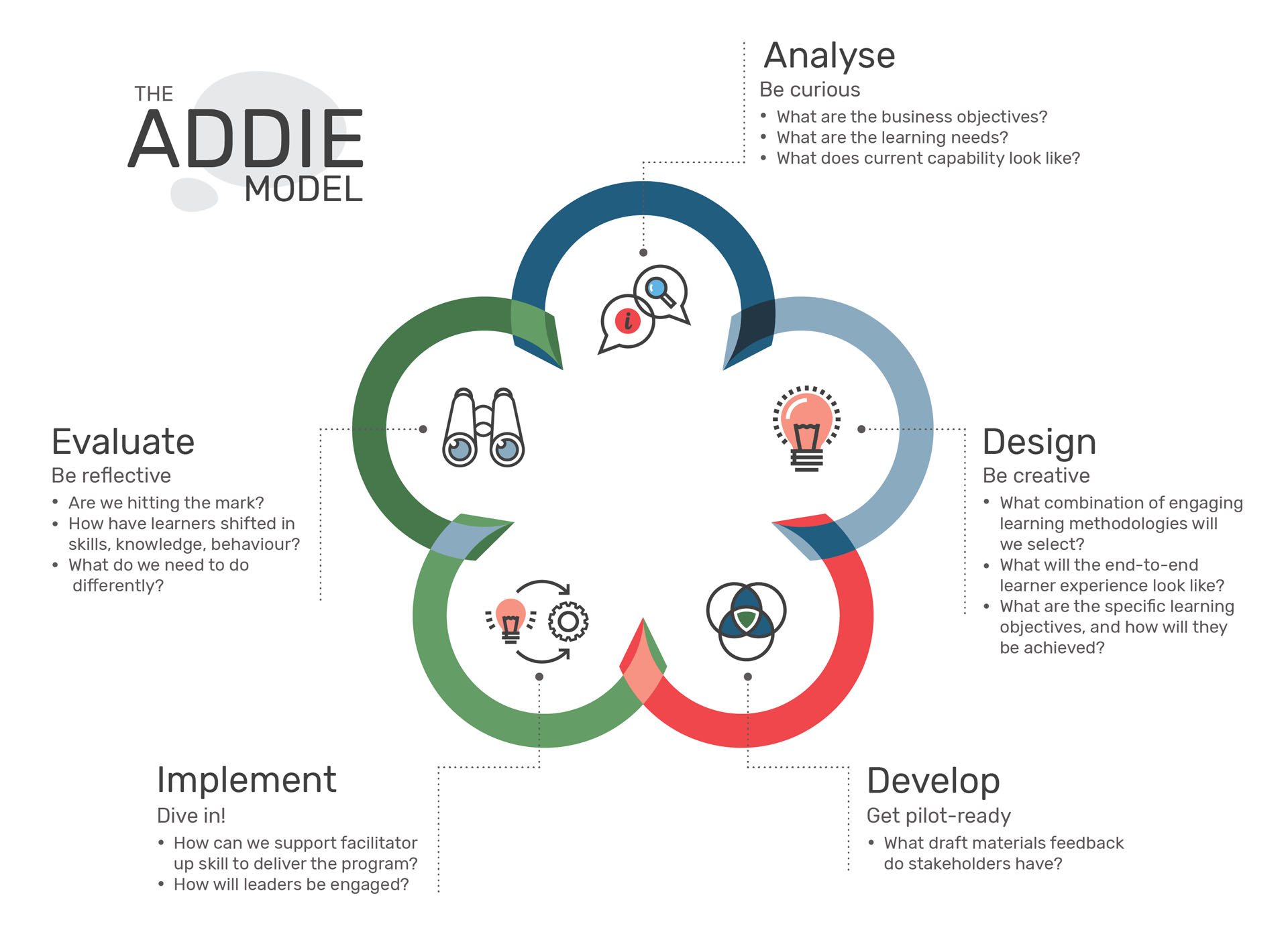
Instructional Design Course Outline Discover Learning Designs
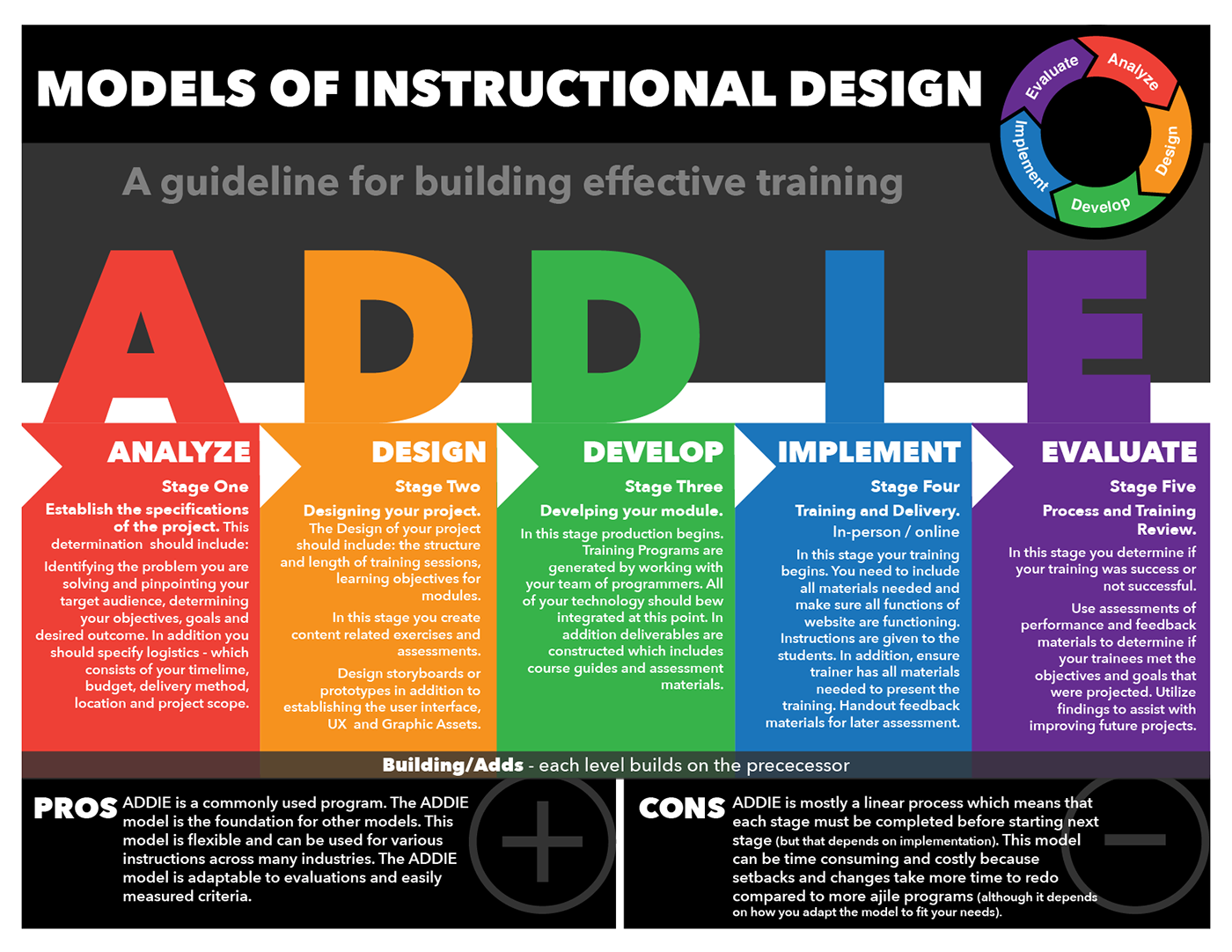
Models of Instructional Design Posters Part I Behance

Instructional Design in Online Course Development YouTube
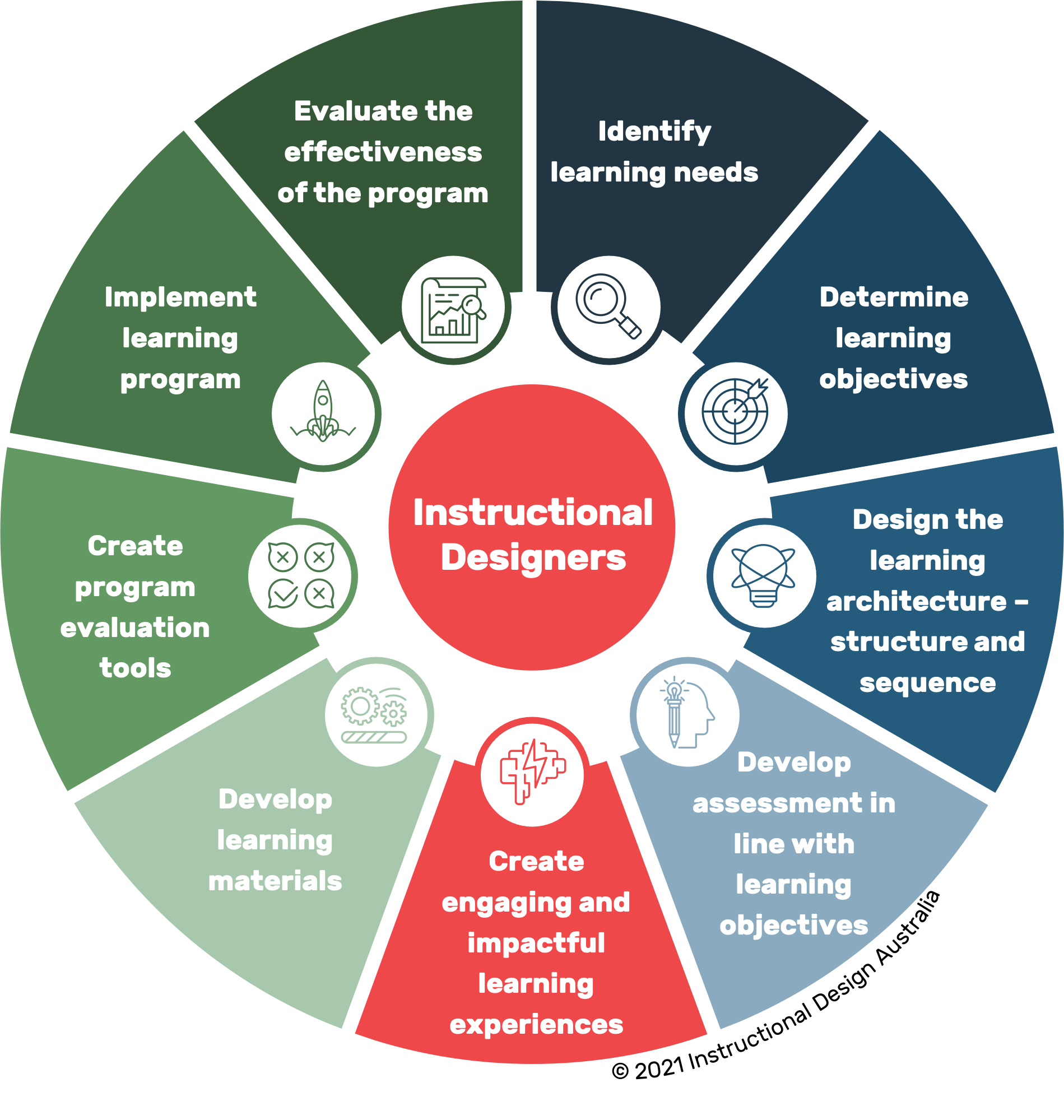
What Do Instructional Designers Do? Instructional Design Australia

5 Best Instructional Design Courses + Classes + Tutorials With
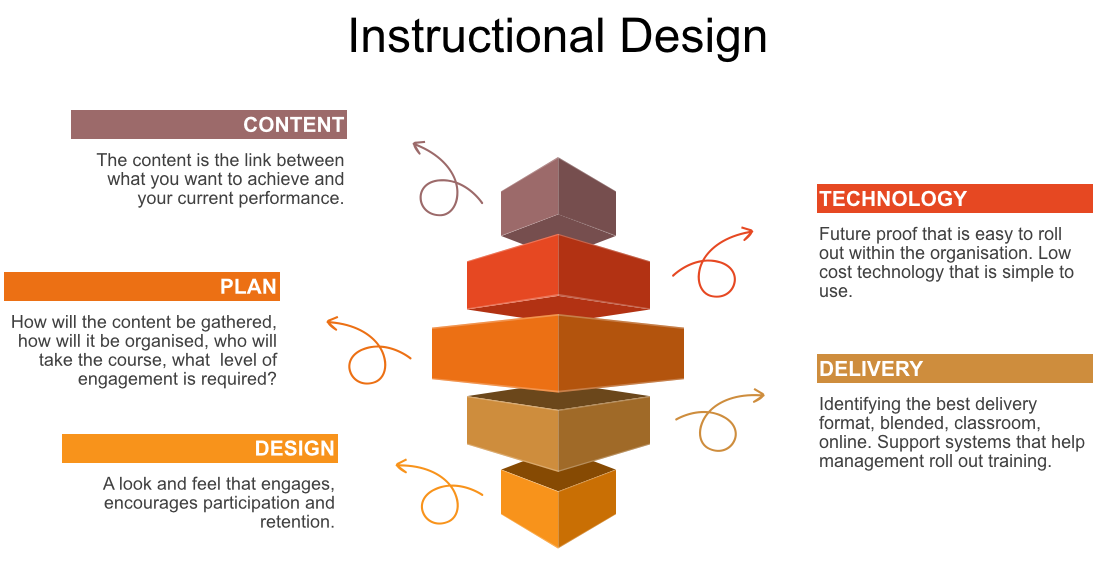
elearning instructional design course development
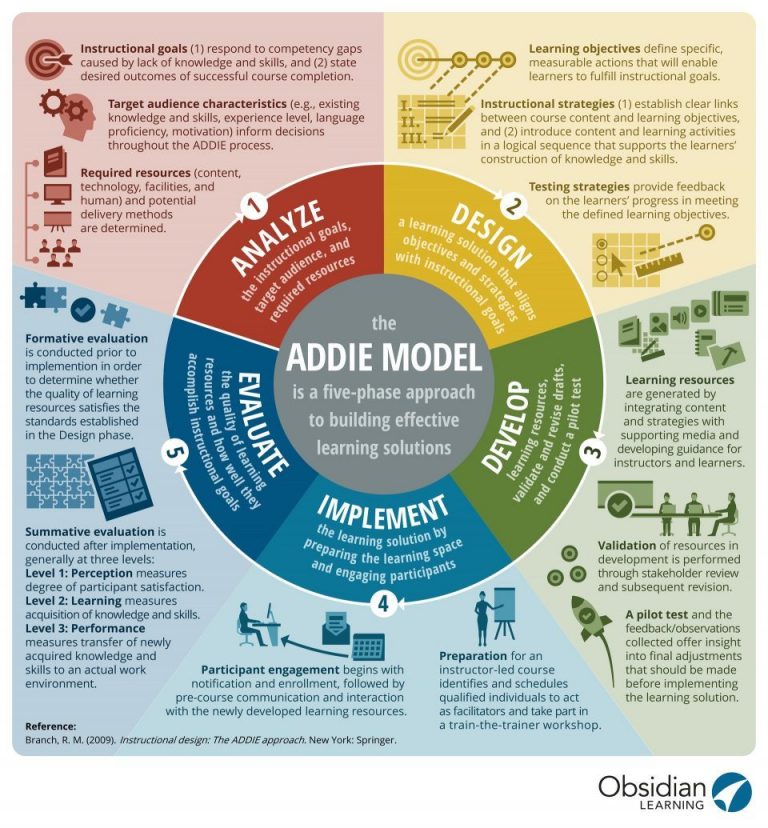
Instructional Design Everything You Need to Know Cognota

Instructional Design and Technology Relearn demo of Learning course
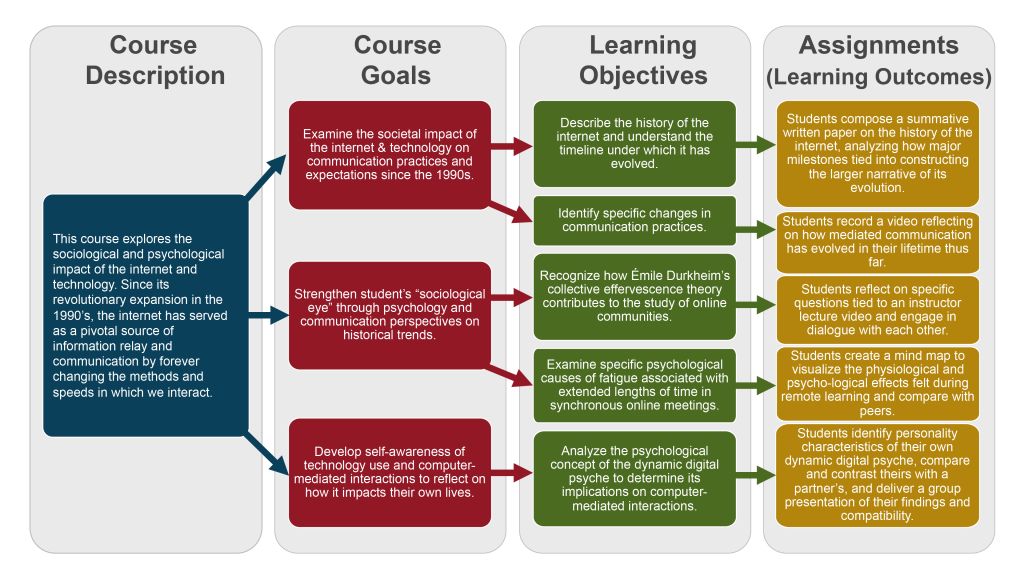
Course Design Frameworks Instructional Technology And Design Services
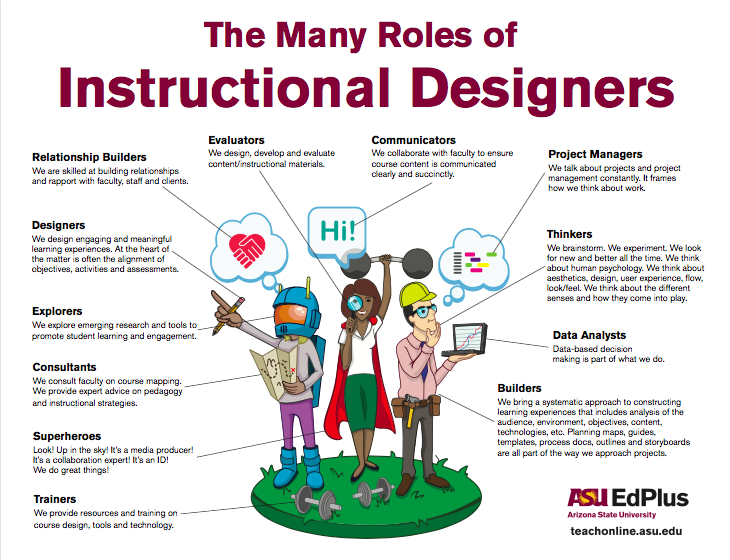
Instructional Design Courses
Across Two Immersive Courses, You’ll Learn How To Identify And Apply The Elements Of A Systematic Design Process, The Language And Terminology Pertinent To The Design Of Learning Systems, And The Major Elements Of Instructional And Learning System Design Models.
In The Second Week, You Will Learn About Different Learning Models Used In Instructional Design, Including Addie, Ksa, Bloom’s Taxonomy, And The Kirkpatrick Model, And How These Apply To An Organization’s Training Efforts.
Transform You Career With Coursera's Online Instructional Design Courses.
Related Post: