
Dual Credit Courses Definition
Dual Credit Courses Definition - Is there support for students who. The texas higher education coordinating board (thecb) defines dual credit as a system in which an eligible high school student enrolls in college course (s) and receives credit for the. Dual enrollment classes, however, are actual college. Simply put, dual enrollment refers to students taking courses concurrently at two separate institutions, while dual credit refers to students completing a single course to earn. Dual enrollment courses allow high school students to take college courses for credit while still completing their high school degree. As such, it's kind of like a blend between a regular high school class and a university course. What does it cost to enroll in a dual credit course? A dual credit course is a class that counts for both high school and college credit. The more you take in high school, the more you can save!!! Dual credit courses can save you thousands of dollars in tuition, books and fees! These courses are offered by colleges and universities and are taught. Where are dual credit courses offered? Dual enrollment classes, however, are actual college. Dual enrollment courses allow high school students to take college courses for credit while still completing their high school degree. The more you take in high school, the more you can save!!! Dual credit courses can save you thousands of dollars in tuition, books and fees! Simply put, dual enrollment refers to students taking courses concurrently at two separate institutions, while dual credit refers to students completing a single course to earn. Many high schools include introductory college. Some examples include concurrent enrollment (a student takes a course at their high school while receiving college credit), dual credit (a student earns both high school and college credit), and. Dual credit is an opportunity for a high school student to prepare for and gain experience for college while in high school and the potential to earn high school and college credit. Dual credits are courses that allow high school students to earn college credit while still in high school. With dual enrollment courses, students can experience. Many high schools include introductory college. If the student passes the class, it will count for both high school and college credit. As such, it's kind of like a blend between a regular high school. Is there support for students who. If the student passes the class, it will count for both high school and college credit. Dual enrollment classes are a fantastic opportunity for high school students to earn college credit and gain experience with the rigors and structure of college coursework. Some examples include concurrent enrollment (a student takes a course at their. Where are dual credit courses offered? Is there support for students who. Dual credit provides students with the potential to earn high school and college credit at the same time through successful completion of a course and/or corresponding exam. These classes count for both high school and college credit. As such, it's kind of like a blend between a regular. The more you take in high school, the more you can save!!! With dual enrollment courses, students can experience. Dual enrollment classes are a fantastic opportunity for high school students to earn college credit and gain experience with the rigors and structure of college coursework. The types of dual credit classes offered varies by school district. How are students eligible. Dual enrollment classes, however, are actual college. Dual credits are courses that allow high school students to earn college credit while still in high school. These courses are offered by colleges and universities and are taught. Dual enrollment courses allow high school students to take college courses for credit while still completing their high school degree. Some examples include concurrent. The more you take in high school, the more you can save!!! The texas higher education coordinating board (thecb) defines dual credit as a system in which an eligible high school student enrolls in college course (s) and receives credit for the. These courses are offered by colleges and universities and are taught. Dual enrollment classes, however, are actual college.. These classes count for both high school and college credit. Dual credit is an opportunity for a high school student to prepare for and gain experience for college while in high school and the potential to earn high school and college credit. The types of dual credit classes offered varies by school district. Dual enrollment classes are a fantastic opportunity. Dual enrollment classes, however, are actual college. Learn how dual credit works, dive into clep exams and explore some other options available for students looking to earn credit before starting college. Dual enrollment classes are a fantastic opportunity for high school students to earn college credit and gain experience with the rigors and structure of college coursework. Where are dual. Is there support for students who. Learn how dual credit works, dive into clep exams and explore some other options available for students looking to earn credit before starting college. Many high schools include introductory college. Dual credit is an opportunity for a high school student to prepare for and gain experience for college while in high school and the. As such, it's kind of like a blend between a regular high school class and a university course. These courses are offered by colleges and universities and are taught. The more you take in high school, the more you can save!!! These programs allow students to earn college credits while still in high. What does it cost to enroll in. These classes count for both high school and college credit. Dual credits are courses that allow high school students to earn college credit while still in high school. With dual enrollment courses, students can experience. If the student passes the class, it will count for both high school and college credit. Some examples include concurrent enrollment (a student takes a course at their high school while receiving college credit), dual credit (a student earns both high school and college credit), and. A dual credit course is a class that counts for both high school and college credit. Many high schools include introductory college. Is there support for students who. Dual enrollment courses allow high school students to take college courses for credit while still completing their high school degree. As such, it's kind of like a blend between a regular high school class and a university course. These programs allow students to earn college credits while still in high. The texas higher education coordinating board (thecb) defines dual credit as a system in which an eligible high school student enrolls in college course (s) and receives credit for the. The types of dual credit classes offered varies by school district. Dual credit courses can save you thousands of dollars in tuition, books and fees! Dual enrollment classes, however, are actual college. Where are dual credit courses offered?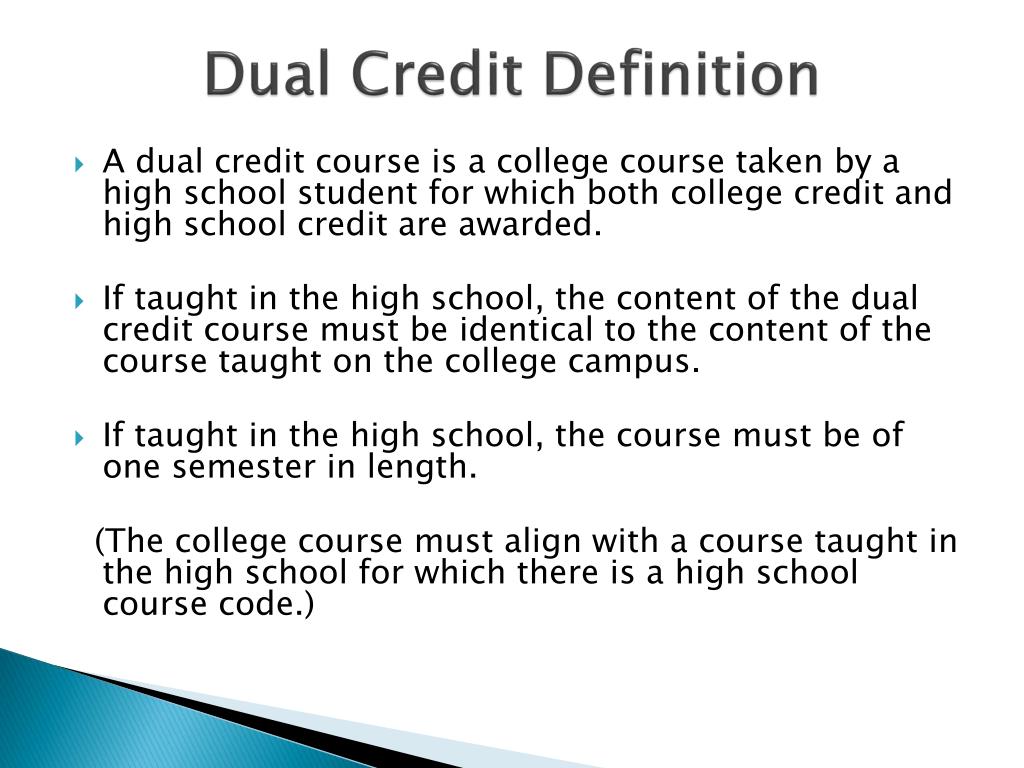
PPT Dual Credit PowerPoint Presentation, free download ID3077613
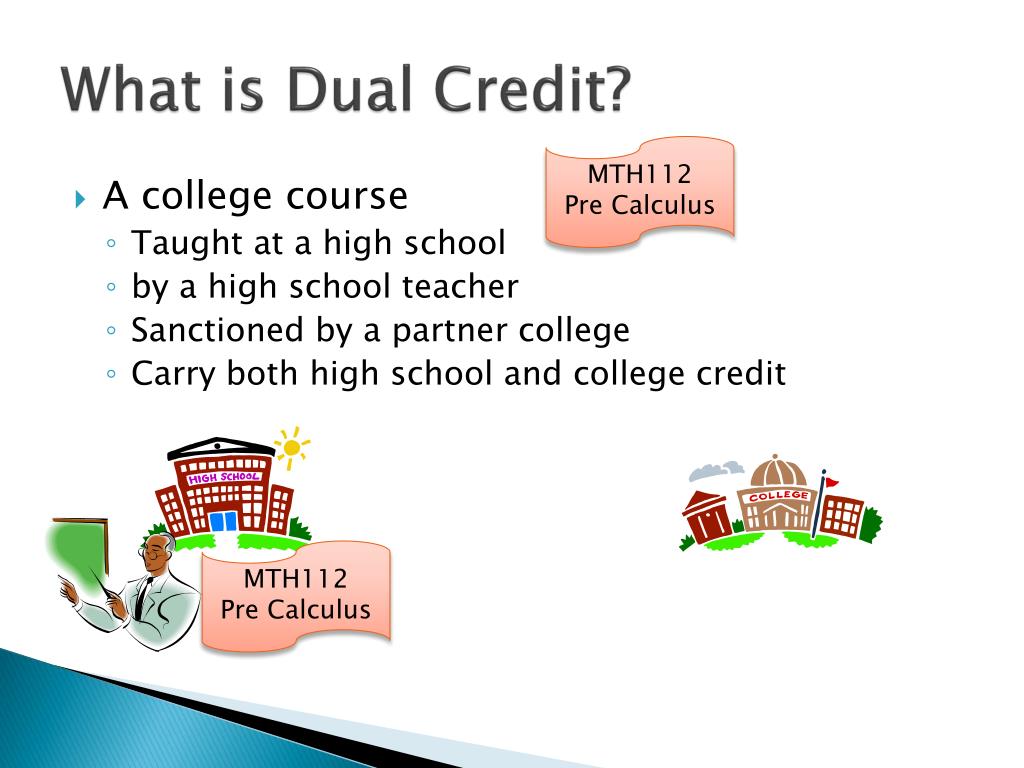
PPT Dual Credit in Oregon PowerPoint Presentation, free download ID
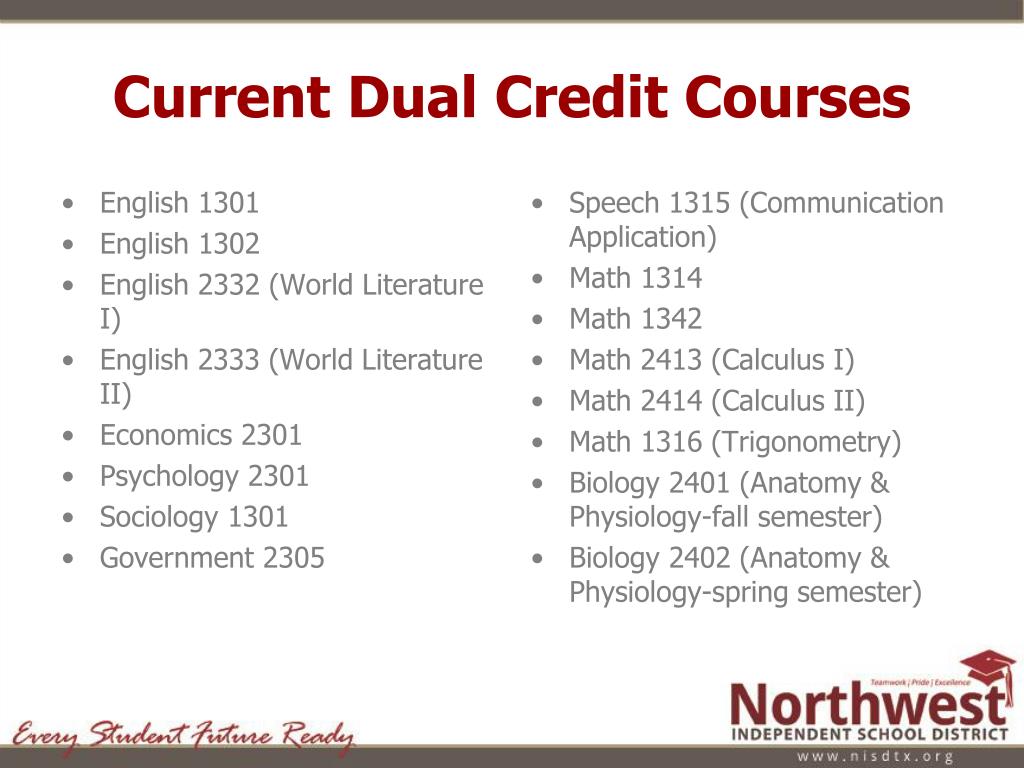
PPT NISD High School Course Selection Guide Addendum PowerPoint

PPT AP and Dual Credit PowerPoint Presentation, free download ID921079
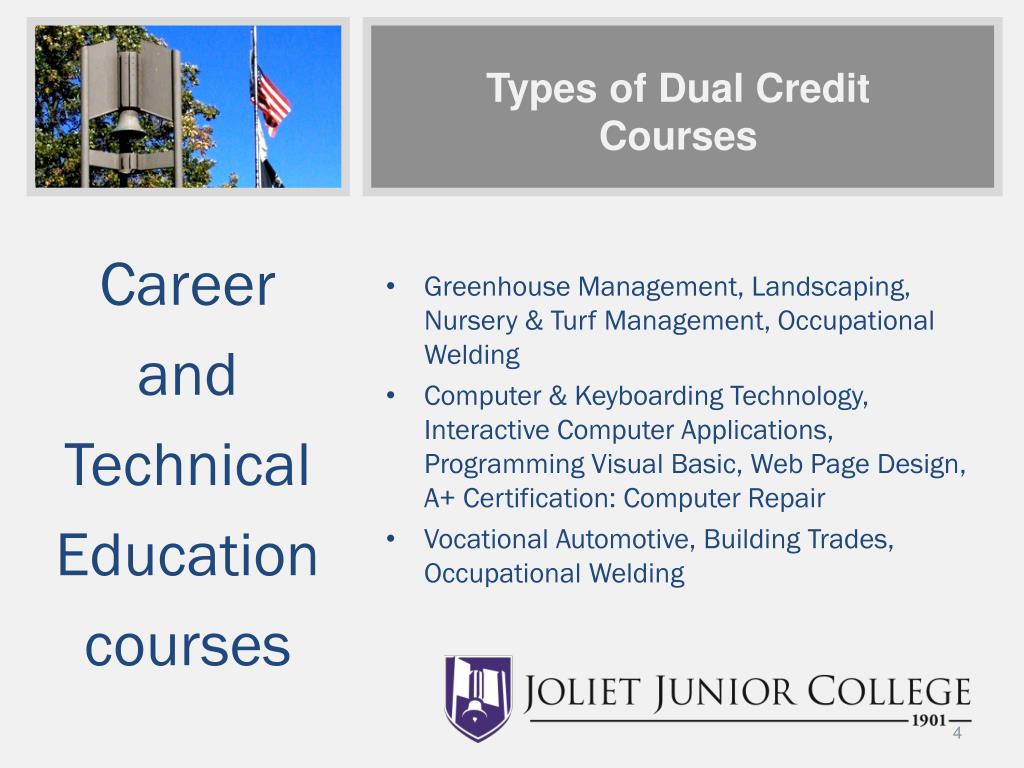
PPT Lincoln Way Dual Credit Get a Head Start on College Now
PPT Aiming for College PowerPoint Presentation, free download ID
PPT Dual Credit Program and Process for Enrollment PowerPoint
PPT House Bill 5 A Brief Overview PowerPoint Presentation, free
Dual Credit RIO VISTA HIGH SCHOOL ppt download

FBISD/HCC Dual Credit Program ppt download
Learn How Dual Credit Works, Dive Into Clep Exams And Explore Some Other Options Available For Students Looking To Earn Credit Before Starting College.
How Are Students Eligible For Enrollment?
Dual Credit Provides Students With The Potential To Earn High School And College Credit At The Same Time Through Successful Completion Of A Course And/Or Corresponding Exam.
Dual Credit Is An Opportunity For A High School Student To Prepare For And Gain Experience For College While In High School And The Potential To Earn High School And College Credit.
Related Post: