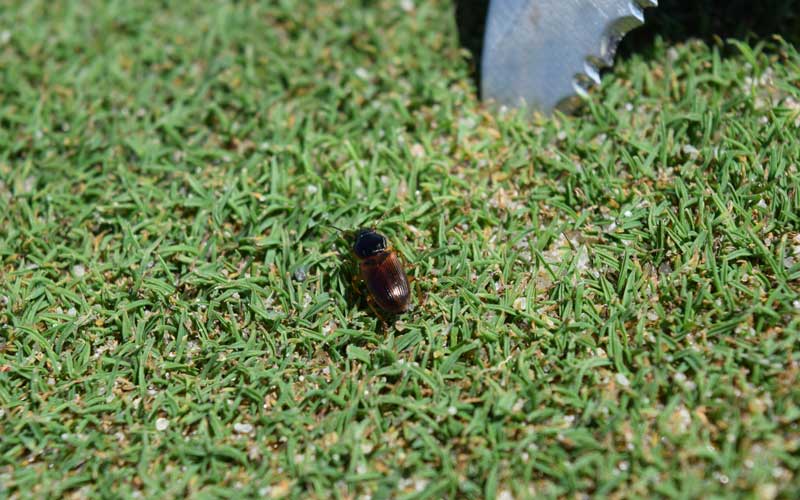
Golf Course Pests
Golf Course Pests - The golf industry continues to struggle with annual bluegrass weevil. Regular inspections are the foundation of. Golf greens require precise mowing, aeration, and fertilization to keep the turf healthy and resilient. Envu is proud to sponsor the following report on some of the most problematic golf course insect pests. Ants, beetles, grubs, and mosquitoes. A golf course is a vast natural area and it is impossible to prevent ticks and golfers from crossing paths. Golf courses use integrated pest management (ipm) practices to control harmful insects while minimizing environmental impact. Weeds, insects, fungus, and diseases all pose unique and costly threats to the course. Tailored solutions for green perfection. A small private plane made a terrifying crash landing at the iconic riviera country club in los angeles — and miraculously, no one on the aircraft or the golf course was. If left unchecked, damage from pests can be severe. Golf greens require precise mowing, aeration, and fertilization to keep the turf healthy and resilient. Superintendents strive to maintain healthy turf, but a variety of pests can impact playing surfaces. Homeowners can adopt similar practices by. Golf courses are susceptible to a range of pests, including insects, rodents, and wildlife. Are you ready to elevate your golf course’s quality and playability? As the 2025 golf season creeps closer, we sought out advice from the industry about the problems that golf course superintendents need to keep an eye out for on their courses this. A golf course is a vast natural area and it is impossible to prevent ticks and golfers from crossing paths. Weeds, insects, fungus, and diseases all pose unique and costly threats to the course. Crane fly can be damaging to. If left unchecked, damage from pests can be severe. Contact dte golf® today to explore our comprehensive golf course management services, including. Controlling weeds, pests, and diseases. Golf courses are beautiful landscapes with manicured greens, fairways, and bunkers. Protecting golf courses and country clubs with tailored pest control programs. If left unchecked, damage from pests can be severe. Ants, beetles, grubs, and mosquitoes. Are you ready to elevate your golf course’s quality and playability? Regular inspections are the foundation of. Crane fly can be damaging to. Golf courses use integrated pest management (ipm) practices to control harmful insects while minimizing environmental impact. A small private plane made a terrifying crash landing at the iconic riviera country club in los angeles — and miraculously, no one on the aircraft or the golf course was. Ants, beetles, grubs, and mosquitoes. Discover rankings, reviews, and tee time information for. Golf courses use integrated pest management (ipm) practices to control harmful insects while minimizing environmental impact. Weeds, insects, fungus, and diseases all pose unique and costly threats to the course. Knowing where ticks live, when they are active and how to protect. Being completely aware of a course’s ecosystem and having detailed knowledge of soil types, average weather conditions, and. Here are some key strategies for protecting your golf courses from pests and diseases: Ants, beetles, grubs, and mosquitoes. Regular topdressing also helps level out the. Crane fly can be damaging to. Discover rankings, reviews, and tee time information for an unforgettable golf experience. And when birds consistently pepper parked cars with their corrosive droppings, when geese foul a golf course or when accumulations of bird droppings pose a threat to human health, bird. We urge you to click through to each individual course page for bonus photography, drone footage and. Here are some key strategies for protecting your golf courses from pests and. Regular inspections are the foundation of. Golf courses use integrated pest management (ipm) practices to control harmful insects while minimizing environmental impact. Ants, beetles, grubs, and mosquitoes. Golf courses with a blend of bentgrass and poa will eventually create problems for golfers since the poa grass will grow a bit faster than bentgrass over the course of a day. Are. Crane fly can be damaging to. Continually scouting for pest activity and using targeted control measures. Here are some key strategies for protecting your golf courses from pests and diseases: The golf industry continues to struggle with annual bluegrass weevil. If left unchecked, damage from pests can be severe. G olf courses cannot exist without water. Here are some key strategies for protecting your golf courses from pests and diseases: Homeowners can adopt similar practices by. Golf courses are susceptible to a range of pests, including insects, rodents, and wildlife. Unwanted weeds, pests, and fungal diseases can ruin the quality of a bowling green or golf course. Unwanted weeds, pests, and fungal diseases can ruin the quality of a bowling green or golf course. Regular inspections of golf courses. Superintendents strive to maintain healthy turf, but a variety of pests can impact playing surfaces. Weeds, insects, fungus, and diseases all pose unique and costly threats to the course. Tailored solutions for green perfection. Golf greens require precise mowing, aeration, and fertilization to keep the turf healthy and resilient. Here are some key strategies for protecting your golf courses from pests and diseases: Regular inspections are the foundation of. The golf industry continues to struggle with annual bluegrass weevil. Contact dte golf® today to explore our comprehensive golf course management services, including. Being completely aware of a course’s ecosystem and having detailed knowledge of soil types, average weather conditions, and pests and weeds common to the area allow. Superintendents strive to maintain healthy turf, but a variety of pests can impact playing surfaces. Golf courses use integrated pest management (ipm) practices to control harmful insects while minimizing environmental impact. Regular topdressing also helps level out the. Explore the finest golf courses in illinois, usa, on top 100 golf courses. Golf courses with a blend of bentgrass and poa will eventually create problems for golfers since the poa grass will grow a bit faster than bentgrass over the course of a day. A golf course is a vast natural area and it is impossible to prevent ticks and golfers from crossing paths. To avoid the harm, golf course superintendents must stay ahead of potential problems by implementing proactive maintenance programs that consider both immediate. As the 2025 golf season creeps closer, we sought out advice from the industry about the problems that golf course superintendents need to keep an eye out for on their courses this. Unwanted weeds, pests, and fungal diseases can ruin the quality of a bowling green or golf course. Ideally, rainfall would provide what golf courses need but, even in wetter climates, rain rarely falls in the amount or frequency.
Golf Course Pests to Watch Out For
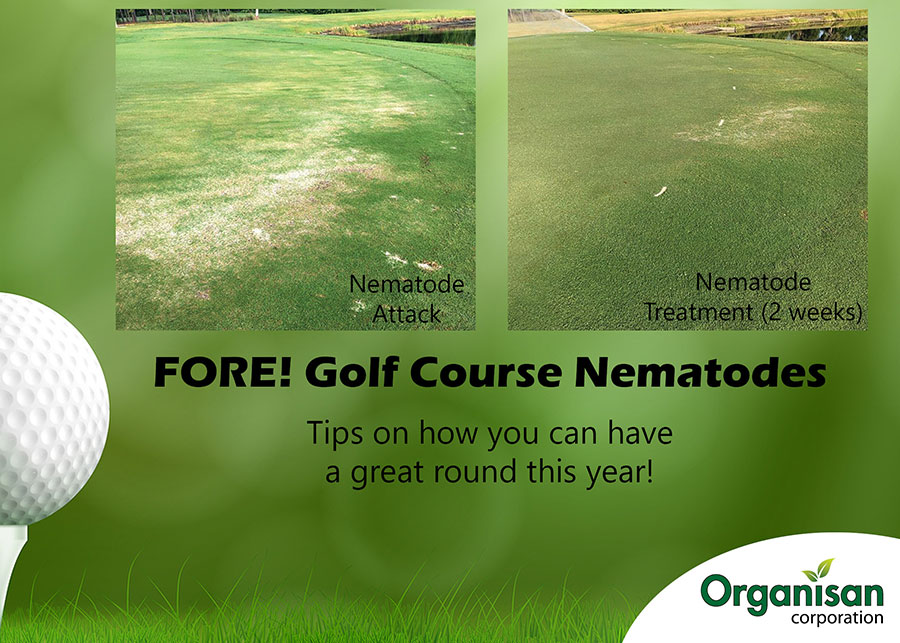
Turfgrass FORE! Golf Course Nematodes Organisan Corporation
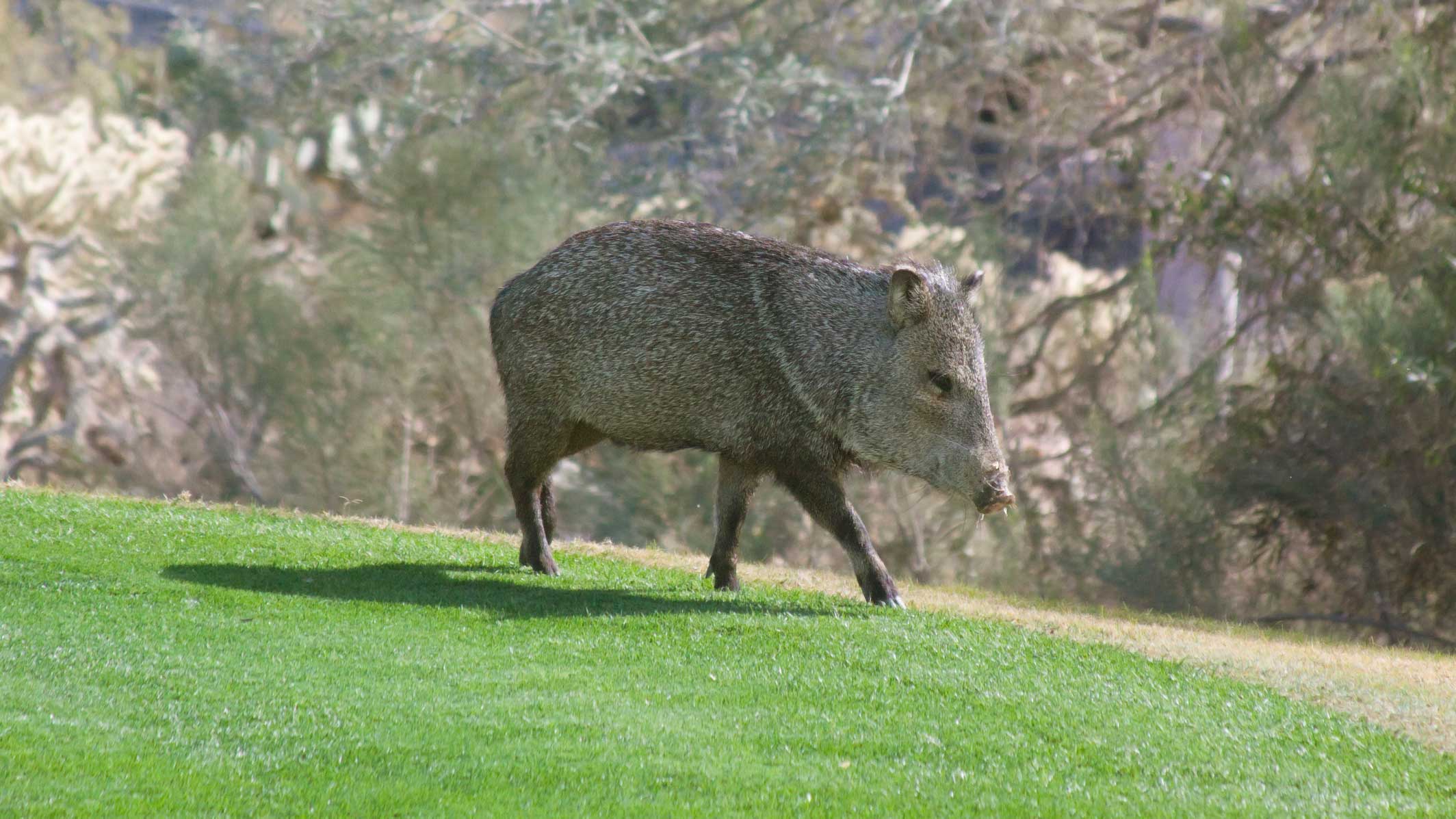
6 creative ways golf courses control pests, according to superintendents

Turf Reports Inside the quest to control insects Golf Course Industry
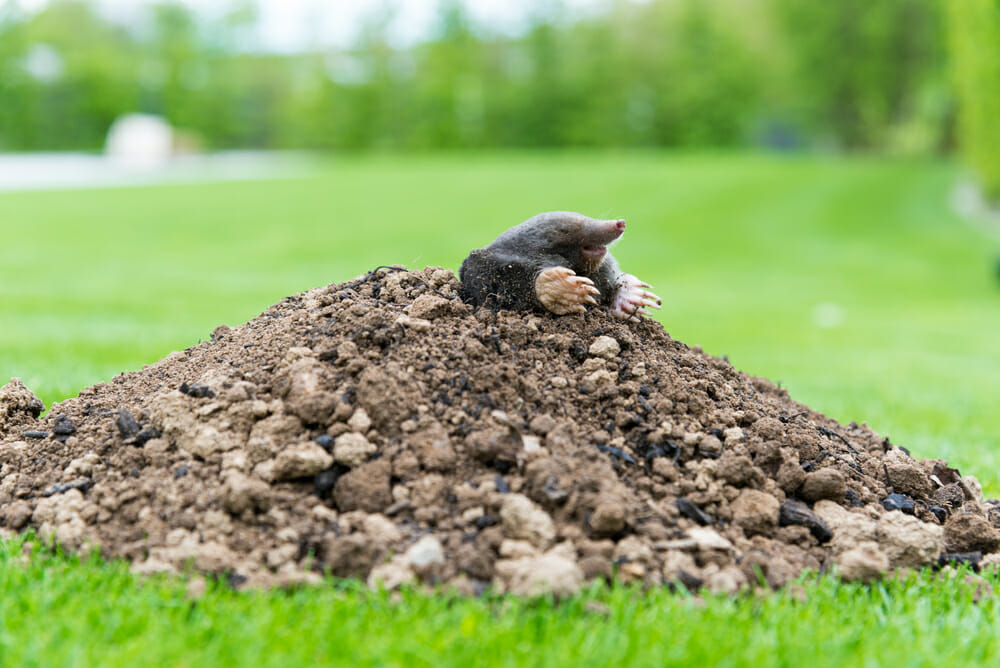
How do Golf Courses Get Rid of Moles? What You Need to Know
Pest and Disease Control in Golf Course Management

Michigan State University Ataenius and Cutworms Active on Golf Courses
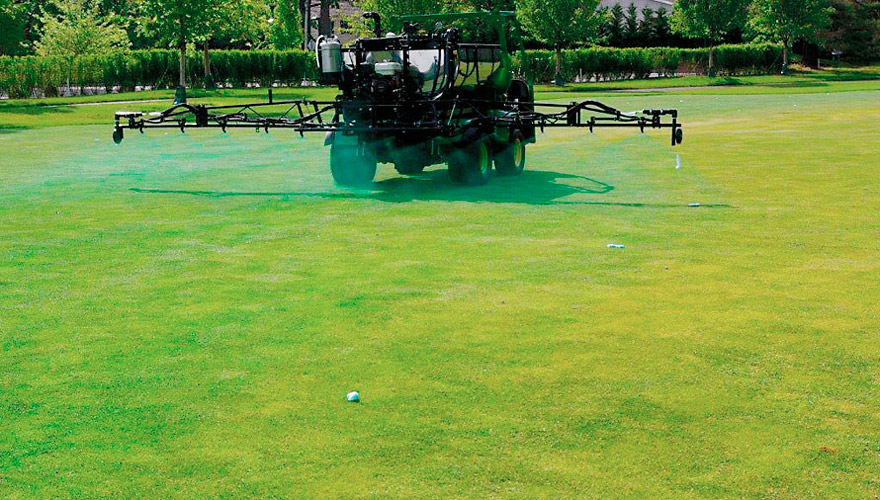
Pesticide Management West Virginia Golf Course Superintendents
Insects in Golf Turf Envu Environmental Science US

Pest Trapping on Golf Courses Article from the September TMJ 2021 NZSTI
Tailored Solutions For Green Perfection.
Weeds, Insects, Fungus, And Diseases All Pose Unique And Costly Threats To The Course.
G Olf Courses Cannot Exist Without Water.
If Left Unchecked, Damage From Pests Can Be Severe.
Related Post: