
What Is Magnetic Course
What Is Magnetic Course - Discover what the term 'magnetic course' means, its importance in navigation, usage, and related terminology. This is the planned path or track over the. Further, on the typical paper vfr navigation plans it goes something akin to: Magnetic course (mc) refers to the intended path or route that a vessel or aircraft aims to follow over the earth’s surface, expressed in degrees from magnetic north. The fundamental principle behind magnetism is the magnetic field, which arises from the motion of electric charges.this field exerts forces on other magnetic objects and. In this article we discuss navigation concepts and look at the differences between course and heading. True heading is your direction relative to true north, or the geographic north pole. The topographic information, upon which the course line is drawn, is oriented to true north, while the navigation information, which you need to get from airport to airport, is. The angle between magnetic course and true course is called magnetic variation. Learn how magnetic fields influence navigation and the differences between. Magnetic course is the airplane’s course across the ground, relative to magnetic north. A true heading is the course corrected for. Bearing is the angle between any two. Learn how magnetic fields influence navigation and the differences between. Heading is the direction the airplane is pointed, whereas track is the actual direction of the airplane tracking across the ground. Your magnetic heading, corrected via use of the compass card, can be read from the airplane’s compass. What is true course vs. This video explains how direction is measured on earth and the concepts of true course (tc), magnetic variation and magnetic course (mc) with graphical examp. Magnetic course (mc), is the true course (tc) adjusted for magnetic variation. The meaning of magnetic course is the course on which an airplane is intended to be flown that is measured from magnetic north and that is the true course as laid out on the chart. This is the planned path or track over the. Magnetic course (mc) refers to the intended path or route that a vessel or aircraft aims to follow over the earth’s surface, expressed in degrees from magnetic north. Magnetic course (mc) is the direction over the ground that an aircraft intends to travel, measured clockwise from magnetic north. A true heading. Heading is the direction the airplane is pointed, whereas track is the actual direction of the airplane tracking across the ground. The magnetic course (mc) is the course after magnetic variation has been considered, but without compensation for magnetic deviation. A true course is a heading based on the direction you intend to travel. In this article we discuss navigation. This is the planned path or track over the. Magnetic course is the course that would take you directly from origin to destination if there. Bearing is the angle between any two. The fundamental principle behind magnetism is the magnetic field, which arises from the motion of electric charges.this field exerts forces on other magnetic objects and. This means that. Magnetic course, also called magnetic bearing, refers to the magnetic poles. Magnetic course (mc) is the direction over the ground that an aircraft intends to travel, measured clockwise from magnetic north. This means that we are dealing with the rewritten. A true heading is the course corrected for. This is the planned path or track over the. True course (what you plot on a map) > true heading (tc adjusted for winds) > magnetic heading (th adjusted. A true course is a heading based on the direction you intend to travel. The angle between magnetic course and true course is called magnetic variation. This means that we are dealing with the rewritten. Magnetic course, also called magnetic. The fundamental principle behind magnetism is the magnetic field, which arises from the motion of electric charges.this field exerts forces on other magnetic objects and. The magnetic course (mc) is the course after magnetic variation has been considered, but without compensation for magnetic deviation. True heading is your direction relative to true north, or the geographic north pole. Magnetic heading. This means that we are dealing with the rewritten. Bearing is the angle between any two. The magnetic course (mc) is the course after magnetic variation has been considered, but without compensation for magnetic deviation. Magnetic course, also called magnetic bearing, refers to the magnetic poles. True heading is your direction relative to true north, or the geographic north pole. Magnetic course is the course that would take you directly from origin to destination if there. What is true course vs. The magnetic course (mc) is the course after magnetic variation has been considered, but without compensation for magnetic deviation. The meaning of magnetic course is the course on which an airplane is intended to be flown that is measured. A true heading is the course corrected for. Bearing is the angle between any two. True heading is your direction relative to true north, or the geographic north pole. The magnetic course (mc) is the course after magnetic variation has been considered, but without compensation for magnetic deviation. What is true course vs. A magnetic field is the region around a magnet where a force acts on another magnet or on a magnetic material close magnetic materiala material that is attracted to a magnet, such as. Bearing is the angle between any two. Discover what the term 'magnetic course' means, its importance in navigation, usage, and related terminology. The magnetic course (mc) is. Course, true course, magnetic course y desired track. True heading is your direction relative to true north, or the geographic north pole. This means that we are dealing with the rewritten. Bearing is the angle between any two. Magnetic heading is where the airplane is pointed. Magnetic course (mc) is the direction over the ground that an aircraft intends to travel, measured clockwise from magnetic north. Magnetic course, also called magnetic bearing, refers to the magnetic poles. The magnetic course (mc) is the course after magnetic variation has been considered, but without compensation for magnetic deviation. Magnetic course is the airplane’s course across the ground, relative to magnetic north. Your magnetic heading, corrected via use of the compass card, can be read from the airplane’s compass. Learn how magnetic fields influence navigation and the differences between. This means that we are dealing. The angle between magnetic course and true course is called magnetic variation. This is the planned path or track over the. The fundamental principle behind magnetism is the magnetic field, which arises from the motion of electric charges.this field exerts forces on other magnetic objects and. A true heading is the course corrected for.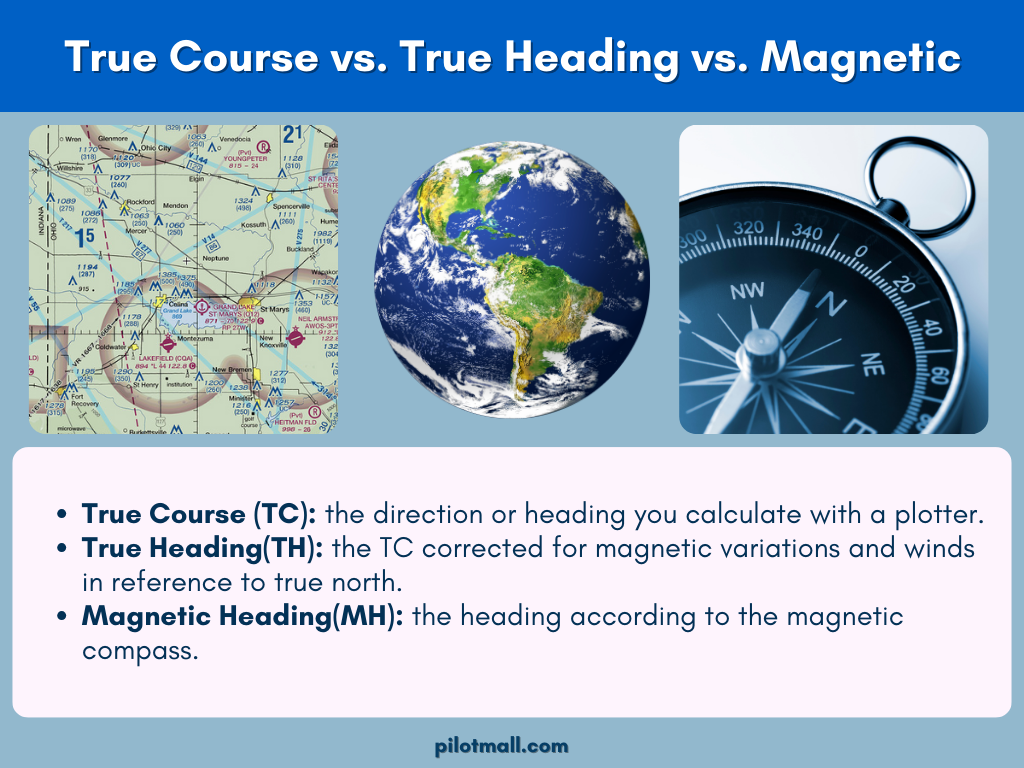
True Course vs True Heading vs (How Are They Different?)

Plato.is / Navigation / Navigation Courses Course
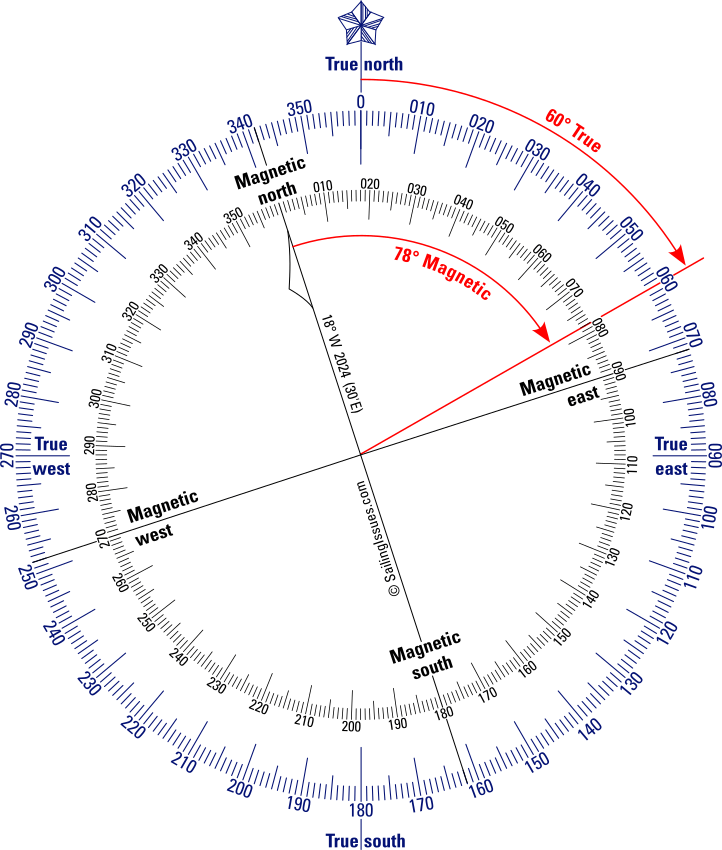
Marine navigation courses compass ASA RYA
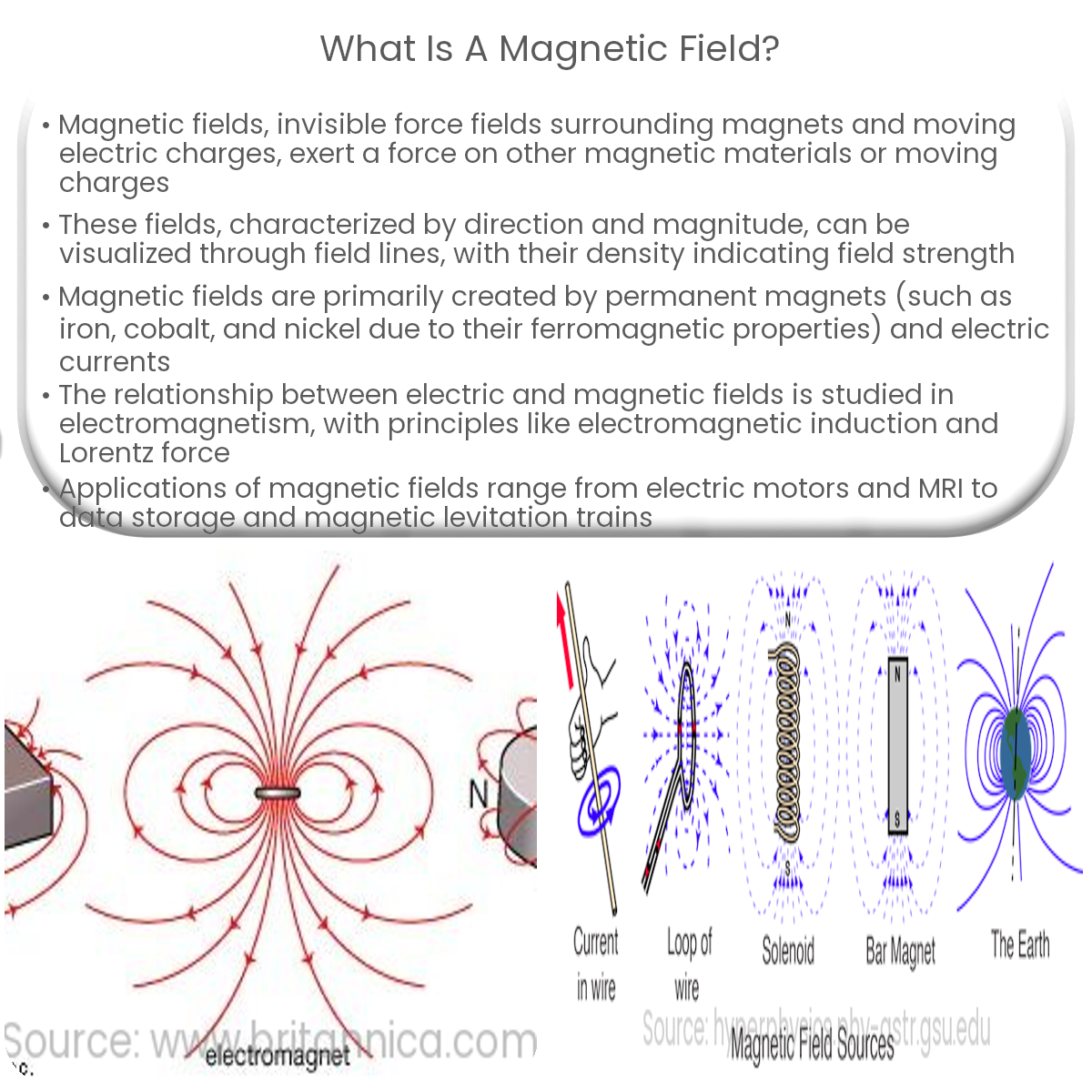
¿Qué es un campo magnético?

What is Field? YouTube
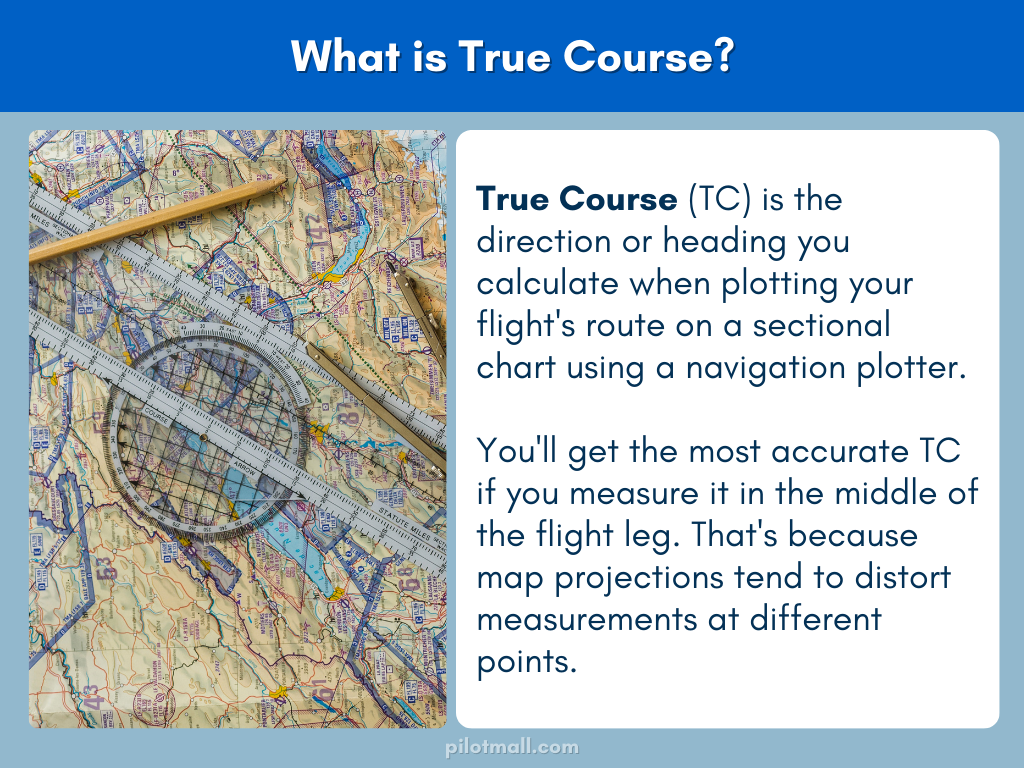
True Course vs True Heading vs (How Are They Different?)
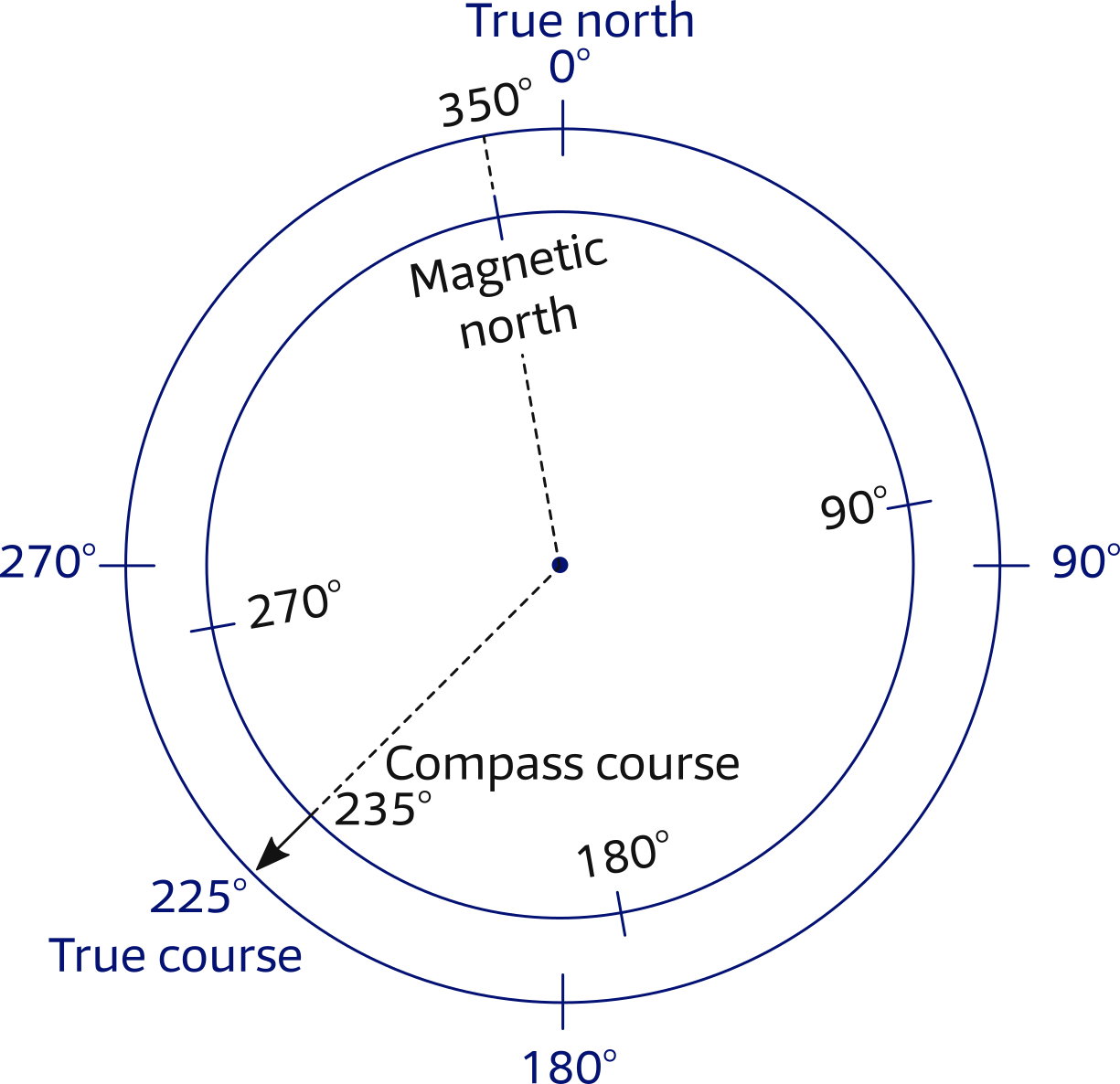
Marine navigation courses compass ASA RYA
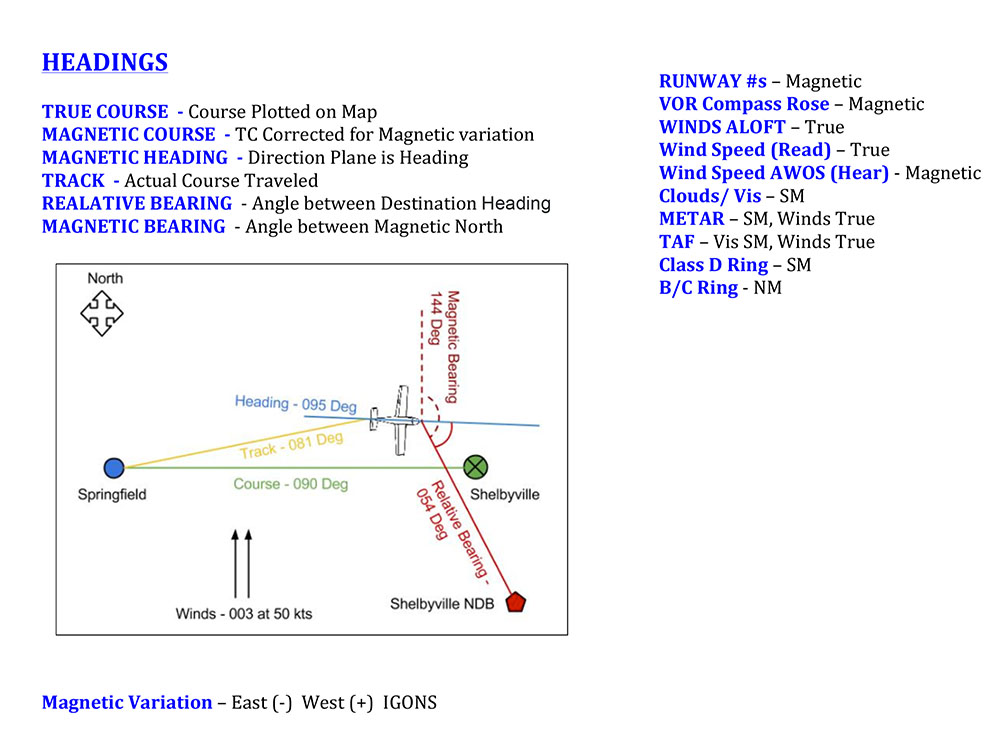
Aviation Heading Chart at Lee Porter blog

True and Course Courses and Headings in Navigation (Part 1/2
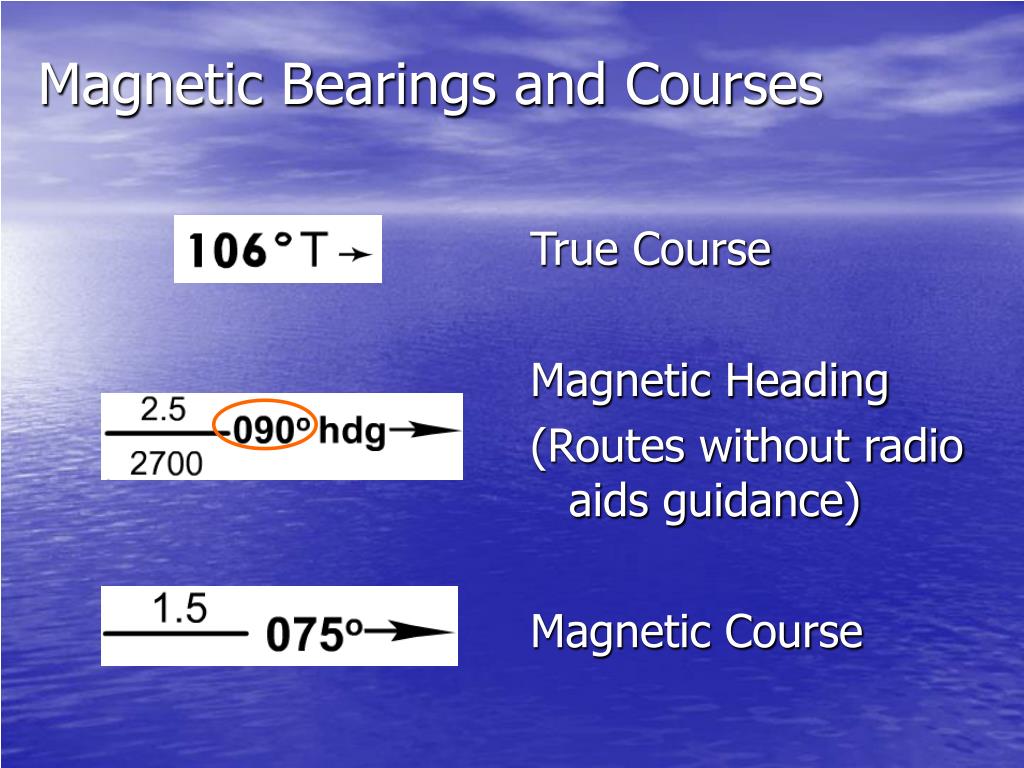
PPT Chapter 6 Approach Charts PowerPoint Presentation, free download
In This Article We Discuss Navigation Concepts And Look At The Differences Between Course And Heading.
Heading Is The Direction The Airplane Is Pointed, Whereas Track Is The Actual Direction Of The Airplane Tracking Across The Ground.
Magnetic Heading Is Your Direction Relative To Magnetic North, Read From Your Magnetic Compass.
Discover What The Term 'Magnetic Course' Means, Its Importance In Navigation, Usage, And Related Terminology.
Related Post: